

Ana María Castillo, professor at the University of Málaga (UMA), presents the SELF project in the TV program “LLEGÓ LA HORA”, broadcast on 101TV. In this contribution, she explains the main objectives of the project, its impact, and how it contributes to training solo entrepreneurs and supporting entrepreneurial skills more broadly.
Read More
The Erasmus+ project SELF – Solo Entrepreneurs Learning Framework, co-funded by the European Union, is proud to announce the successful conclusion of its implementation activities after an extensive period of international cooperation dedicated to strengthening entrepreneurial learning and solo-entrepreneurship pathways across Europe. Throughout its lifecycle, the SELF project brought together partners from different European countries with the shared objective of developing an innovative educational framework capable of supporting Higher Education students, aspiring freelancers, young entrepreneurs, educators, and entrepreneurial ecosystems in navigating the evolving realities of self-employment and independent professional activity. Over the course of the project, the consortium successfully developed and implemented: a comprehensive European needs assessment; a transnational analytical framework; an EntreComp-based competence matrix; multilingual training modules; case studies and collections of good practices; operational guidelines and strategic recommendations; and the SELF Digital Warehouse, an open-access multilingual learning platform. One of the most important final phases of the project concerned the testing and validation activities implemented within Work Package 4 (WP4), during which the educational resources and digital platform were piloted with students, educators, and other relevant stakeholders across participating countries. The validation process generated highly positive feedback regarding: accessibility of the learning materials; relevance of entrepreneurial competences addressed; usability of the digital platform; flexibility of the educational resources; and overall quality of the learning experience. Participants particularly appreciated: the practical and user-friendly structure of the modules; the accessibility of the content; the multilingual dimension of the resources; the integration of real-life entrepreneurial examples; and the possibility to access the materials in flexible and self-paced formats. Educators and stakeholders involved in the pilot activities also highlighted the relevance of the SELF framework in responding to contemporary labour market transformations characterised by: digitalisation; flexible employability pathways; hybrid careers; and growing interest in self-employment and solo entrepreneurship among younger generations. The testing activities further confirmed the importance of promoting entrepreneurial education approaches that are: competence-based; inclusive; practice-oriented; and adaptable to diverse educational and professional backgrounds. The SELF consortium considers the positive outcomes of the testing and validation phase as a strong indication of the project’s potential for long-term sustainability and transferability within Higher Education and entrepreneurial learning ecosystems. Beyond the direct project implementation period, the partnership hopes that the educational resources, methodologies, and operational tools developed through SELF will continue supporting: learners; educators; entrepreneurship practitioners; and policy stakeholders interested in strengthening entrepreneurial competences and self-employment opportunities across Europe. In line with Erasmus+ priorities related to accessibility and Open Educational Resources (OER), all project materials remain: freely accessible; available in multilingual format; and published in open-access form through the official SELF platform. The consortium believes that entrepreneurial learning should remain a key priority for the future of European education and employability systems, particularly in light of rapidly evolving labour markets and emerging professional realities. The successful completion of SELF represents not only the conclusion of a European cooperation project, but also the consolidation of a broader educational vision promoting autonomy, initiative, creativity, adaptability, and lifelong entrepreneurial learning among future generations. All project outputs and educational resources are available through the official SELF platform: https://www.solobiz.eu The SELF project was co-funded by the Erasmus+ Programme of the European Union.
Read More
The SELF Project successfully delivered its final dissemination event on April 22, 2026, at the University of Aveiro (ISCA-UA), bringing together students, academic staff, and institutional stakeholders to explore innovative approaches to solo-entrepreneurship and future-ready skills. Organized within the framework of the University of Aveiro’s internationalization strategy, the event, titled “UA-MOVE: Tools for Future Students,” highlighted the project’s key outcomes and contributions to higher education, particularly in fostering entrepreneurial competencies and supporting transitions between academia and the labor market. A central moment of the session was the dedicated panel on the SELF Project, which featured a live demonstration of the SELF Digital Warehouse, one of the project’s flagship outputs. This digital platform was presented as a tool to support autonomous learning, skills development, and upskilling/reskilling pathways aligned with evolving market demands. The panel discussion addressed critical themes, including the integration of EntreComp into higher education curricula, the role of solo entrepreneurship as a viable career pathway, and the growing importance of digital tools in enabling flexible, personalized learning experiences. The event also reinforced the relevance of collaboration between higher education institutions and external partners in promoting innovation and enhancing student employability. As the SELF Project approaches its conclusion on April 30, 2026, this dissemination event marks a key milestone in ensuring the visibility, transferability, and long-term impact of its results. More information about the SELF Project is available at: https://www.solobiz.eu/ This press release is issued by the SELF Project consortium, including the University of Aveiro.
Read More
The Erasmus+ project SELF – Solo Entrepreneurs Learning Framework, co-funded by the European Union, is pleased to announce the publication of its Operational Guidelines developed within Work Package 5 (WP5) of the project. The Operational Guidelines represent a strategic output designed to support educators, Higher Education institutions, trainers, practitioners, and stakeholders interested in strengthening entrepreneurial learning and promoting solo-entrepreneurship pathways among young people across Europe. Building upon the research findings, competence mapping activities, training resources, and validation processes developed throughout the SELF project, the Guidelines provide practical recommendations and operational orientations for integrating entrepreneurial education and self-employment support into educational and training environments. The document aims to facilitate the transferability and long-term sustainability of the SELF approach by offering accessible and practice-oriented guidance capable of supporting different educational and organisational contexts. The Operational Guidelines particularly focus on: promoting entrepreneurial initiative among Higher Education students; strengthening self-employment pathways; supporting innovative and flexible learning approaches; encouraging the integration of entrepreneurial competences into educational practices; and fostering future-oriented employability skills. Particular attention is given to the role of: digital learning environments; inclusive educational practices; competence-based learning; self-directed learning approaches; and accessible entrepreneurial education resources. The Guidelines also highlight the importance of creating stronger connections between: Higher Education ecosystems; entrepreneurial support structures; labour market realities; and emerging professional opportunities linked to solo entrepreneurship and independent work. The SELF consortium believes that educational institutions and training providers can play a crucial role in preparing young people for increasingly dynamic labour markets characterised by: digital transformation; flexible professional pathways; hybrid careers; and growing self-employment opportunities. For this reason, the Operational Guidelines aim not only to support educational innovation, but also to encourage a broader reflection on how entrepreneurial competences can contribute to resilience, adaptability, autonomy, and employability among future generations. The document is intended to serve as a practical and accessible resource for: educators and trainers; Higher Education institutions; policy stakeholders; entrepreneurial learning facilitators; youth support organisations; and other actors interested in strengthening entrepreneurial ecosystems across Europe. In line with the dissemination and accessibility principles promoted by the project, the Operational Guidelines are available: in open-access format; free of charge; and in multilingual versions through the official SELF platform. All materials are published according to Open Educational Resources (OER) principles in order to maximise dissemination potential, educational reuse, and long-term accessibility of project outcomes. The Operational Guidelines are available through the official project platform: https://www.solobiz.eu/guidelines.php?lang=EN The SELF project is co-funded by the Erasmus+ Programme of the European Union.
Read More
The SELF project consortium announces the publication of its key Work Package 5 outputs to support the uptake and sustained impact of the previous project results: the SELF Mainstreaming Strategy and Operational Guidelines and the SELF Solo-Entrepreneurship and Self-Employability Manifesto in Higher Education. The documents can be accessed here. They build on the previous project results and partners’ experience with their implementation, and offer a comprehensive framework to enhance the capabilities of Higher Education Institutions (HEIs) in preparing learners for the evolving world of work and solo-entrepreneurship. Responding to major structural shifts in European labour markets, the SELF project addresses the growing relevance of solo entrepreneurship and self-employability as viable yet under-supported career pathways. While EU frameworks such as the EntreComp framework emphasise entrepreneurial competences, their implementation in higher education remains fragmented. SELF bridges this gap by translating policy into practice through competence-based, scalable, and inclusive solutions. The published outputs provide HEIs with concrete tools to embed solo-entrepreneurship into curricula and institutional strategies. The SELF Training, structured around modular courses and delivered via an open-access digital OER platform, enables flexible adoption across curricular, extra-curricular, and blended formats. It supports students in developing practical competences such as financial literacy, client acquisition, and digital transformation, while fostering confidence and self-efficacy. Beyond training, the SELF Manifesto highlights innovative pedagogical approaches—including co-teaching with entrepreneurs, real-world immersion, and challenge-based learning—that transform universities into active entrepreneurial ecosystems. The SELF Mainstreaming Strategy and Operational Guidelines complement this by offering guidance for sustainable implementation, emphasising coordinated support across education, stimulation, and incubation stages, as well as strong connections with regional ecosystems. For policymakers, the SELF results underline the importance of aligning education, labour market policies, and support instruments to reduce barriers to self-employment, particularly for youth and underrepresented groups. For the expert community, the project contributes evidence-based insights and transferable good practices to advance entrepreneurship education across Europe. Together, these outputs position solo entrepreneurship as a strategic, inclusive, and future-oriented pathway—empowering HEIs to play a central role in shaping resilient and adaptable careers. About the SELF project The SELF project is funded by the European Union through the Erasmus+ program. Its aim is to promote individual entrepreneurship in post-pandemic Europe by developing innovative, high-quality, and accessible training materials tailored to the needs of higher education students and emerging entrepreneurs. For more information about the project and to access the training platform, please visit: www.solobiz.eu Follow us on social media: Facebook: @selfsoloentrepreneurshipinpostpandemiceurope LinkedIn: SELF – Solo-entrepreneurship in post-pandemic Europe YouTube: SELF EU Project
Read More
The Erasmus+ project SELF – Solo Entrepreneurs Learning Framework, co-funded by the European Union, is proud to announce the publication of its European Manifesto developed within Work Package 5 (WP5) of the project. The SELF Manifesto represents one of the project’s key strategic outputs and reflects the consortium’s long-term vision for strengthening entrepreneurial learning, solo-entrepreneurship, and self-employment opportunities among Higher Education students and young people across Europe. Developed through the collaboration of project partners and informed by the research, training, and validation activities carried out throughout the project lifecycle, the Manifesto aims to contribute to broader discussions related to: entrepreneurial education; employability transformation; youth self-employment; digital labour market evolution; and innovation in Higher Education systems. The document highlights the growing importance of solo entrepreneurship as a viable and increasingly relevant professional pathway in contemporary European labour markets. At the same time, it underlines the need for more accessible, inclusive, and practice-oriented educational approaches capable of preparing young people for emerging forms of work and independent professional activity. The SELF Manifesto particularly calls for: stronger integration of entrepreneurial competences within Higher Education; wider accessibility of entrepreneurial learning opportunities; increased support for young aspiring solo entrepreneurs; greater recognition of non-traditional career pathways; and more flexible educational ecosystems capable of responding to labour market transformation. The publication also emphasises the importance of: digital readiness; adaptability; resilience; creativity; and lifelong learning as key competences required for navigating future employability environments. The SELF consortium believes that entrepreneurial initiative should not be limited to business creation alone, but should instead be understood as a broader competence framework supporting autonomy, innovation, problem-solving, and proactive participation in economic and social life. The Manifesto therefore seeks to encourage dialogue and cooperation among: Higher Education institutions; educators and trainers; policy makers; entrepreneurship support organisations; employability stakeholders; and wider European educational ecosystems. As with all major outputs developed within the project, the SELF Manifesto is available: in open-access format; free of charge; and in multilingual versions through the official SELF platform. The document is published according to Open Educational Resources (OER) principles in order to maximise accessibility, dissemination, transferability, and long-term sustainability of the project results. The consortium hopes that the SELF Manifesto will contribute to fostering a broader European reflection on the future of entrepreneurial learning and on the role that Higher Education can play in empowering young people to navigate increasingly dynamic and independent professional pathways. The SELF Manifesto is available through the official project platform: https://www.solobiz.eu/guidelines.php?lang=EN The SELF project is co-funded by the Erasmus+ Programme of the European Union.
Read More
March 31, 2026, Malaga, Spain – The SELF project (Solo Entrepreneurship in Post- pandemic) Europe), coordinated by the University of Malaga (UMA), continues to advance successfully in its Test & Validation (T&V) phase , already reaching more than 500 participants throughout Europe in its pilot actions of training in individual entrepreneurship. This phase is a key element of the project, as it allows for the validation of the quality, relevance, and applicability of the training content developed, ensuring its suitability to the real needs of students, entrepreneurs, and future self-employed professionals. During this phase of the project, the following aspects stand out: Validation in real-world contexts: The pilot projects are being developed in different European countries and in multiple formats (face-to-face training, academic sessions and online learning), allowing the materials to be tested in diverse educational and professional environments. Participation over objectives: The project set a minimum goal of validating the training with 200 participants. However, the results achieved so far far exceed this figure, with more than 500 people trained, demonstrating the high interest in self-employment as a professional alternative in Europe. Diversity of participating profiles: The validation phase has involved a wide variety of profiles, including university students, vocational training students, entrepreneurs and potential entrepreneurs, as well as professionals in the educational field, ensuring a complete evaluation from different perspectives. Continuous improvement based on feedback: The Test & Validation process includes the systematic collection of feedback from participants, which allows for the improvement of training content, optimization of the learning experience, and assurance of the program's pedagogical quality. Open access digital platform: The training program is supported by a digital platform of open educational resources (OER), which facilitates access to content, self-assessment tools and skills certification, reinforcing the digital and innovative dimension of the project. Towards the consolidation of the training model The results obtained in this phase will allow the training materials to be refined and improved before their final implementation, guaranteeing their quality, transferability and scalability in different educational and professional contexts. The SELF project is thus moving towards the consolidation of an innovative, open and accessible training model, aimed at promoting self-employment and strengthening entrepreneurial skills in Europe. About Project SELF The SELF project is funded by the European Union through the Erasmus+ program. Its aim is to promote individual entrepreneurship in post-pandemic Europe by developing innovative, high-quality, and accessible training materials tailored to the needs of higher education students and emerging entrepreneurs. For more information about the project and to access the training platform, please visit: www.solobiz.eu
Read More
February 23, 2026, Málaga, Spain – The SELF project (Solo Entrepreneurship in Post-pandemic Europe), coordinated by the University of Málaga (UMA), has been featured on the national Spanish radio network Onda Cero, in its Málaga local broadcast. During the interview, Germán Gémar, project coordinator and Professor at the University of Málaga, presented the objectives, achievements, and social impact of the SELF project, highlighting its contribution to fostering entrepreneurial competences and supporting solo self-employment across Europe. The radio programme focused on the importance of equipping students, graduates, and young professionals with practical entrepreneurial skills aligned with the European EntreComp framework. The interview emphasized that SELF provides a fully free, open-access digital training programme available through its online platform. The full interview is available online at: https://www.ondacero.es/emisoras/andalucia/malaga/audios-podcast/mas-de-uno/universidad-malaga-desarrolla-imparte-programa-gratuito-emprendimiento_20260223699c4ae91817b41eb65e5b49.html# Key Messages from the Interview During the broadcast, several core aspects of the project were highlighted: Innovative Training Model (WP3) – SELF has developed seven training modules structured as micro-credentials, designed to strengthen entrepreneurial competences such as initiative, creativity, financial literacy, opportunity recognition, and sustainable value creation. Digital OER Platform (WP4) – The project’s digital warehouse offers interactive content, self-assessment tools, and competence certification. The platform ensures accessibility and multilingual availability across partner countries. European Collaboration – The SELF consortium brings together universities, training providers, and European organisations from multiple countries, working jointly to map trends in solo entrepreneurship (WP2) and transform research findings into practical educational resources. Open and Free Access – All materials developed within the project are available as Open Educational Resources (OER), ensuring broad dissemination and long-term sustainability beyond the project lifetime. Increasing Impact Through Media Dissemination The radio appearance contributes significantly to enhancing the visibility and societal impact of the SELF project at national and European level. In addition to the radio broadcast, the interview has been disseminated through professional and social networks to further expand outreach among students, educators, entrepreneurs, and policy stakeholders. Such media engagement aligns with the project’s dissemination strategy, reinforcing the importance of entrepreneurship education as a key competence for personal development, employability, and innovation in the European context. About the SELF Project The SELF project is funded by the European Union under the Erasmus+ programme. It aims to promote solo entrepreneurship in post-pandemic Europe by developing innovative, high-quality, and accessible training materials tailored to the needs of higher education students and emerging entrepreneurs. For more information about the project and access to the training platform, please visit: www.solobiz.eu
Read More
“SELF: Solo-entrepreneurship in Post pandemic Europe” was presented at Opportunity Morning 2025, a lively street event held in the Mangas Verdes neighbourhood of Málaga that celebrates innovation, youth engagement, and access to opportunities. The event transformed the neighbourhood into an open air platform where local organisations, companies, educational institutions and associations presented their services, projects, and resources directly to young people and community members. SELF, an Erasmus+ funded initiative focused on advancing solo entrepreneurial skills among higher education students and young adults across Europe, was featured by IWS as one of the projects presented at Opportunity Morning 2025, with presentations and engagement activities highlighting its objectives and resources. The project introduces an innovative learning framework designed to cultivate initiative, creativity, and practical competences for solo entrepreneurship, equipping learners to navigate the changing world of work and pursue self employment confidently. At the event, SELF representatives showcased the project’s results, including collected best practices and case studies, and open training modules, all freely available on the project’s Open Educational Resources (OER) platform. The platform provides a comprehensive digital space hosting 7 training modules and supporting materials that help learners build key entrepreneurial skills, such as creativity, problem solving, and project planning. These resources are available in five languages and include interactive components, certificates of competence, and accessibility features to ensure inclusivity for diverse learners. SELF engaged directly with youth participants, educators, and local stakeholders, offering insights into solo entrepreneurship and highlighting how empowering young people with entrepreneurial mindsets can expand their professional horizons. The project’s presence at Opportunity Morning reinforced its mission to bridge education and real world application, supporting young people in exploring self employment pathways and contributing to sustainable local and European economies. Learn more about SELF and access the platform: www.solobiz.eu Follow us on social media: Facebook: @selfsoloentrepreneurshipinpostpandemiceurope LinkedIn: SELF – Solo-entrepreneurship in post-pandemic Europe YouTube: SELF EU Project
Read More
The Erasmus+ project SELF – Solo Entrepreneurs Learning Framework, co-funded by the European Union, is pleased to announce the launch of the testing and validation phase of its educational resources and digital learning platform developed within Work Package 4 (WP4). This important implementation phase represents a key step in assessing the relevance, accessibility, usability, and educational value of the training materials and entrepreneurial learning resources produced throughout the project. Following the completion of the SELF multilingual curriculum, case studies, good practices, and Digital Warehouse platform, the consortium is now engaging Higher Education students, educators, aspiring entrepreneurs, and other relevant stakeholders in a collaborative validation process aimed at refining and strengthening the overall learning experience. The testing activities will involve participants from different European countries and educational contexts, allowing the consortium to gather practical feedback on: quality and clarity of training materials; accessibility of educational content; usability of the digital platform; relevance of entrepreneurial competences addressed; and overall user experience. The validation phase is particularly important because it allows the SELF consortium to move beyond theoretical curriculum development and assess how the project resources function within real learning and operational environments. Participants involved in the pilot activities will interact with: multilingual training modules; self-learning materials; practical entrepreneurial exercises; case studies and good practices; interactive learning tools; and digital educational resources available through the SELF platform. The testing process also aims to evaluate whether the educational framework effectively supports learners in developing competences related to: entrepreneurial initiative; self-employment readiness; adaptability; digital entrepreneurship; communication and networking; and long-term professional resilience. Particular attention will be given to ensuring that the educational resources remain: inclusive; user-friendly; flexible; and adaptable to different educational and professional backgrounds. The SELF partnership considers stakeholder involvement an essential component of educational innovation. For this reason, the validation phase adopts a participatory and feedback-oriented approach where learners, educators, and entrepreneurship practitioners actively contribute to the refinement and future sustainability of the project results. The feedback collected throughout the pilot activities will support: improvement of learning materials; optimisation of the platform experience; refinement of pedagogical approaches; and strengthening of the overall educational framework. The testing and validation phase also contributes to ensuring that the SELF resources remain aligned with: contemporary labour market realities; emerging entrepreneurial ecosystems; digital transformation processes; and the evolving needs of aspiring solo entrepreneurs across Europe. Through this collaborative process, the SELF consortium aims to strengthen the long-term quality, transferability, and sustainability of the project results while promoting more accessible and future-oriented entrepreneurial learning opportunities within Higher Education ecosystems. All project resources tested within WP4 remain available: in open-access format; free of charge; and in multilingual versions through the official SELF platform. The SELF project is co-funded by the Erasmus+ Programme of the European Union. For more information and access to the platform: https://www.solobiz.eu
Read More
The SELF – Solo-entrepreneurship in post-pandemic Europe project is moving forward successfully and announces the progress of Work Package 4 (WP4), a key phase of the initiative designed to strengthen entrepreneurial skills among higher education students through the innovative concept of solopreneurship. WP4 foresees two main actions: on the one hand, the creation and maintenance of the Open Educational Resources (OER) Platform, and on the other, the testing of the training modules with the project’s target group, in order to assess their effectiveness, gather feedback, and further improve the learning materials. At the core of WP4 lies the brand-new OER Platform: a free, open, and 24/7 available digital space dedicated to the project’s content and results. The platform hosts 7 training courses plus 1 introductory module, developed by the SELF consortium partners and available in five languages (English, Italian, Spanish, Portughese, and Slovak). Users can access the content both online and offline, with the option to download each module in Word, PowerPoint, and PDF formats, ensuring flexible learning anytime and anywhere. All courses are completely free of charge and accessible in a user-friendly environment. At the end of each module, or after completing the full pathway, learners can take interactive tests and receive a certificate of competences. The platform also includes a glossary of key terms and a feedback form, enabling users to share their opinions and contribute to continuous improvement of the materials. One of the project’s main strengths is its strong focus on inclusivity. The platform integrates several accessibility features, including: • Audio playback of the content; • The option to adjust text–background contrast; • The possibility to resize font. These functions make the courses accessible also to people with visual impairments, reading difficulties, or functional illiteracy, breaking down educational and digital barriers. Learn more about SELF and access the platform: www.solobiz.eu Follow us on social media: Facebook: @selfsoloentrepreneurshipinpostpandemiceurope LinkedIn: SELF – Solo-entrepreneurship in post-pandemic Europe YouTube: SELF EU Project
Read More
The Erasmus+ project SELF – Solo Entrepreneurs Learning Framework, co-funded by the European Union, is proud to announce the launch of the SELF Digital Warehouse, an open-access multilingual eLearning platform designed to support Higher Education students, aspiring solo entrepreneurs, educators, and entrepreneurship practitioners across Europe. Developed within Work Package 4 (WP4), the platform represents one of the project’s core strategic outcomes and acts as the central digital hub hosting the educational resources, training modules, tools, and learning materials developed by the SELF consortium. The SELF Digital Warehouse was conceived not only as an online repository of materials, but as an interactive and accessible learning environment capable of supporting: entrepreneurial learning; self-paced education; networking and mentoring opportunities; exchange of good practices; and the broader promotion of solo entrepreneurship across Europe. The platform responds to the growing need for flexible and accessible entrepreneurial education pathways in a labour market increasingly characterised by: digital transformation; freelancing; hybrid careers; and independent professional activity. In this context, the SELF consortium aimed to create a digital learning ecosystem capable of combining accessibility, usability, sustainability, and pedagogical innovation. The platform hosts the full SELF educational framework, including: multilingual training modules; case studies; good practices; self-learning resources; downloadable materials; presentations; and evaluation tools. All materials are available: free of charge; in open-access format; and in multiple partner languages in line with Erasmus+ priorities related to inclusion, accessibility, and Open Educational Resources (OER). Particular attention was given to ensuring that the Digital Warehouse remains: user-friendly; learner-centred; intuitive; and adaptable to different operational and educational contexts. The platform integrates several innovative features aimed at enhancing the learning experience and supporting active engagement among users. These include: interactive training resources; downloadable PDF content; PowerPoint learning presentations; self-assessment mechanisms; glossary-related entries; dynamic navigation tools; and gamification-based learning solutions such as multiple-choice quizzes and self-evaluation activities. Beyond its educational dimension, the SELF Digital Warehouse also serves as a virtual exchange and networking space where learners, practitioners, stakeholders, and associated partners can: exchange experiences; share initiatives and services; promote entrepreneurial opportunities; and strengthen collaboration within the entrepreneurial education ecosystem. Another important aspect of the platform concerns its role within the project’s testing and validation activities. The Digital Warehouse includes integrated feedback and monitoring functionalities allowing participants to provide evaluations, comments, and suggestions regarding: relevance of content; usability of the platform; clarity of materials; and effectiveness of the learning experience. This feedback-driven approach allows the consortium to continuously refine and improve the educational resources while ensuring stronger alignment with the needs of learners and entrepreneurship practitioners. The SELF partnership also placed strong emphasis on the long-term sustainability of the platform. The Digital Warehouse was intentionally designed as a scalable and expandable resource capable of remaining operational beyond the lifetime of the Erasmus+ co-financing period, ensuring continued accessibility and exploitation of project results in future years. Through this initiative, the SELF consortium aims to contribute to: innovation in entrepreneurial education; digital transformation in learning; promotion of entrepreneurial competences; and broader awareness of solo entrepreneurship as a viable professional pathway for younger generations. The SELF Digital Warehouse is available through the official project platform: https://www.solobiz.eu The SELF project is co-funded by the Erasmus+ Programme of the European Union.
Read More
In a constantly changing world, where innovation and autonomy are increasingly valued, how can we empower young people to shape their own paths? This is the mission of the SELF project, a European consortium funded by the Erasmus+ programme, in which the University of Aveiro (UA) plays a central role. The SELF project – Self-Learning Entrepreneurship Platform – aims to develop entrepreneurial and socio-emotional competences in higher education students, preparing them to become more autonomous, creative citizens who are ready to face personal and professional challenges. The project brings together partners from several European countries, uniting universities, educational organisations, and companies through a collaborative approach. UA stands out for its dedication to creating educational resources that inspire young people to explore individual entrepreneurship – that is, the ability to design and manage their own projects. This theme is especially relevant in a world where the labour market values initiative, resilience, and the capacity to turn ideas into concrete actions. Recently, UA concluded a major milestone in the project: Work Package 3 (WP3), focused on developing a training programme in individual entrepreneurship. This effort led to the creation of innovative educational materials, organised into modules and learning units, designed to be accessible, practical, and student-centred. Each module focuses on specific competences such as creativity, problem solving, or project management, and is based on the European EntreComp framework. These resources – available in multiple languages, including Portuguese – are offered in digital format and have been designed to meet real student needs, identified through prior analysis, while remaining easily adaptable by teachers and institutions. UA played a key role in coordinating this process. The SELF-UA team led the organisation of the work plan, ensured the quality of content, and facilitated contributions from each partner to develop a coherent and relevant programme. In addition, UA monitored the implementation of WP3, promoting rigorous reviews to guarantee that the materials are clear, useful, and adaptable across educational contexts. The result is a set of tools that foster entrepreneurial competences and strengthen young people’s confidence to approach the future with a proactive mindset. The project reflects UA’s commitment to developing more autonomous and responsible citizens, capable of contributing to a more dynamic and sustainable society. The resources created within the SELF project build a bridge between education and the real world, helping students develop an entrepreneurial vision that will support them throughout life. Want to learn more about how the SELF project is transforming education? Visit the project website at www.solobiz.eu and explore the available resources to inspire your future! Margarida M. Pinheiro margarida.pinheiro@ua.pt, on behalf of the SELF team at UA: Ana Torres, Graça Azevedo, Margarida M. Pinheiro. * Research Centre on Didactics and Technology in the Education of Trainers (CIDTFF), University of Aveiro
Read More
Internet Web Solutions, in collaboration with its associated partner Arrabal-AID, successfully organized the Multiplier Event of the SELF project on 1 July 2025, aimed at young aspiring entrepreneurs. The event was structured in four separate sessions, held across two locations in the center of Málaga. Three sessions took place at Galerías Goya, with 20, 12, and 7 participants respectively, while the final session was held at Calle Dos Aceras, hosting 16 participants. During the sessions, attendees had the opportunity to learn in detail about the SELF project, the consortium and associated partners involved, the project’s objectives, and planned activities. Particular attention was given to the training programs developed, which are available on the SELF OER platform. The OER platform, showcased during the event, is free, open, accessible 24/7 both online and offline, available in five languages (EN|ES|IT|PT|SK), and includes audio content in all languages, making it a versatile and inclusive tool for young entrepreneurs. The Multiplier Event provided a valuable opportunity for networking, learning, and exchanging ideas, equipping participants with the knowledge and tools to enhance their entrepreneurial skills within the European digital landscape. To learn more about the SELF project, visit www.solobiz.eu Contacts: Facebook: @selfsoloentrepreneurshipinpostpandemiceurope LinkedIn: SELF – Solo-entrepreneurship in post-pandemic Europe YouTube: SELF EU Project Email: selfeuproject@gmail.com
Read More
On the 8th of November 2024, the researcher Ana Torres (INESC TEC, ISCA-UA) was interviewed by the programme "90 seconds of science" of the national radio station Antena 1 (Portugal), as a local coordinator at the University of Aveiro of the Erasmus+ SELF project – Solo-entrepreneurship in Postpandemic Europe, within the framework of k-action - 2 KA220-HED - Cooperation partnerships in higher education. The project is led by the University of Malaga (Spain), with the University of Aveiro among the partners of 7 participating organizations from 5 different countries (Portugal, Spain, Italy, Belgium and Slovakia). In the interview, the researcher disclosed that the SELF project is an initiative that aims to develop entrepreneurship in young people in higher education, as well as promote innovation and initiative among young adults in transition to the labor market. In this sense, the SELF project's mission is to promote the individual capacities of young people in higher education in order to better prepare them to integrate the job market, based on the new challenges and employment paradigms created in post-pandemic Europe. This project also aims to help young people overcome the fragmentation of the job market that currently exists in Europe, providing them with skills and digital tools that allow them to work remotely anywhere in the world. In this sense, this project offers training through e-learning programs, as well as the creation of a platform called "SELF Digital Warehouse", where educational tools and resources will be provided and where the results of the project will also be disseminated. The SELF project – Solo-entrepreneurship in Post-pandemic Europe is funded by the Erasmus+ programme. Link to the interview: https://www.90segundosdeciencia.pt/episodes/ep-1880-ana-torres/
Read More
The Erasmus+ project SELF – Solo Entrepreneurs Learning Framework, co-funded by the European Union, is proud to announce the completion and publication of its new multilingual training modules developed under Work Package 3 (WP3). The training programme represents one of the core achievements of the SELF project and aims to support Higher Education students, young graduates, aspiring freelancers, and future solo entrepreneurs in developing the competences needed to successfully navigate self-employment and solo-entrepreneurship pathways in today’s rapidly evolving labour market. Developed collaboratively by the international SELF consortium, the training content combines entrepreneurial education, digital readiness, practical business knowledge, and personal initiative through accessible and flexible online learning resources. The SELF training modules are designed as open and user-friendly educational resources and address several strategic dimensions connected to solo-entrepreneurship and self-employment. The programme includes training content related to: • entrepreneurial mindset and entrepreneurial initiative; • digital competences for solo entrepreneurs; • personal branding and online visibility; • business planning and entrepreneurial strategy; • financial sustainability and self-management; • networking and communication skills; • and future-oriented employability competences. The training structure was developed following the analytical findings and competence mapping activities previously conducted within WP2 of the project. Particular attention was given to ensuring that the modules remain: • practical and accessible; • relevant to contemporary labour market realities; • flexible for self-paced learning; • and aligned with the needs of young aspiring self-entrepreneurs across Europe. One of the key added values of the SELF educational framework is its commitment to accessibility and inclusivity. All training materials are available: • in open-access format; • free of charge; • and in multilingual versions through the project’s online learning platform. By adopting an Open Educational Resources (OER) approach, the SELF consortium aims to facilitate the broad dissemination, transferability, and long-term sustainability of the project results beyond the project lifetime itself. The publication of these modules marks an important milestone for the project and represents a concrete contribution to strengthening entrepreneurial education and self-employment pathways within the European Higher Education ecosystem. The consortium believes that solo-entrepreneurship is becoming an increasingly relevant professional pathway for young people across Europe and that accessible entrepreneurial education can play a key role in empowering future generations to transform ideas into sustainable professional opportunities. All training modules and educational resources developed within the SELF project are now available through the official project platform: https://www.solobiz.eu/courses.php?lang=EN The SELF project is co-funded by the Erasmus+ Programme of the European Union.
Read More
The Erasmus+ project SELF – Solo Entrepreneurs Learning Framework, co-funded by the European Union, is pleased to announce the publication of a new collection of European good practices developed within Work Package 3 (WP3) of the project. The collection brings together a series of inspiring and innovative practices related to: • entrepreneurial education; • self-employment support; • digital entrepreneurship; • employability enhancement; • and solo-entrepreneurship development with the objective of supporting Higher Education students, educators, practitioners, and institutions interested in fostering entrepreneurial initiative and independent professional pathways. The SELF project recognises that entrepreneurial learning is most effective when supported not only by theoretical knowledge, but also by concrete examples of successful methodologies, educational approaches, and support mechanisms already implemented across Europe. For this reason, the consortium identified and analysed a range of practices capable of illustrating: • innovative approaches to entrepreneurship education; • effective support systems for aspiring entrepreneurs; • digital and flexible learning methodologies; • inclusive entrepreneurial ecosystems; • and successful strategies for promoting self-employment among young people. The published good practices originate from different European contexts and organisational environments, including: • Higher Education institutions; • entrepreneurship support organisations; • training providers; • innovation ecosystems; • and initiatives focused on youth employability and entrepreneurial empowerment. Particular attention was given to identifying practices that demonstrate: • accessibility; • innovation; • sustainability; • transferability; • and practical relevance for contemporary entrepreneurial education. The collection was developed not only as a dissemination output, but also as a practical inspirational resource for educators, trainers, institutions, and policy stakeholders interested in strengthening entrepreneurial learning ecosystems and promoting more flexible employability pathways for young people. The SELF consortium believes that the sharing of good practices can significantly contribute to: • encouraging innovation in Higher Education; • supporting the modernisation of entrepreneurial education; • fostering cross-European learning exchanges; • and promoting more inclusive and future-oriented approaches to self-employment and entrepreneurship support. In line with the principles promoted throughout the project, all good practices are available: • in open-access format; • free of charge; • and in multilingual versions through the official SELF online platform. The materials are published as Open Educational Resources (OER), allowing users to freely access, reuse, adapt, and share the collected knowledge and practices within their own educational and professional contexts. The publication of these good practices represents another important milestone in the SELF project’s mission to strengthen entrepreneurial competences, self-employment opportunities, and innovative learning pathways across Europe. All good practices collected within the SELF project are available through the official project platform: https://www.solobiz.eu/training.php?lang=EN#cs The SELF project is co-funded by the Erasmus+ Programme of the European Union.
Read More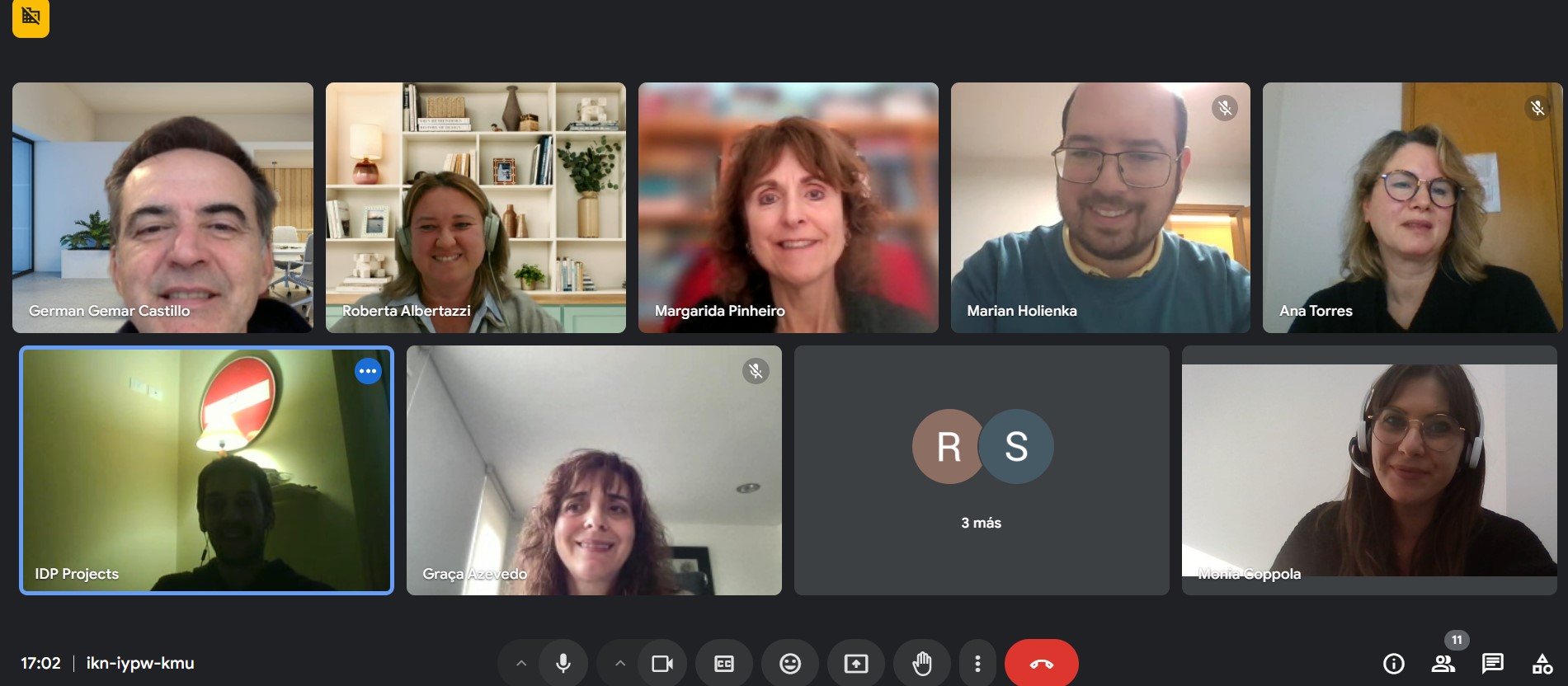
The University of Aveiro, leading Workpackage 3 (WP3) in the Erasmus+ funded project "SELF - Solo Entrepreneurs Learning Framework," proudly announces that all training modules in English for the project are now complete. This significant milestone marks a pivotal moment in the development of educational content aimed at enhancing students' entrepreneurial skills across Europe. This completion is not just about the availability of content; it is about empowering young entrepreneurs with the tools they need to succeed in a rapidly evolving world. This initiative aligns with the EU's holistic approach to support self-entrepreneurs, focusing on young people, higher education students, and graduates by addressing socioeconomic disparities and enhancing essential skills. WP3 specifically aims to: Consolidate Training Material: Develop and refine educational content for HE students, emphasizing skills, attitudes, and knowledge crucial for aspiring solo-entrepreneurs. Strengthen Entrepreneurial Competence: At a transnational level, enhance opportunities for entrepreneurial competence building, upskilling, and reskilling. Promote Innovative Pedagogies: Implement trans-disciplinary approaches and student-centered curricula to support the acquisition of forward-looking skills and entrepreneurship. With these targets in mind, WP3 has achieved the following Key Achievements of WP3: Completion of English Training Modules: Each module, designed as micro-credentials, addresses specific entrepreneurial competencies from EntreComp, offering concise educational content, now fully available in English. Innovative Learning Approach: These modules have been crafted to foster a new generation of self-employed professionals, ready to navigate a digitally unified European labor market, by enhancing self-employment pathways for higher education students. The next phase of WP3, will involve translating these modules into partners' national languages, ensuring that the educational materials are accessible and useful to students in their local contexts across the participating countries. This step is crucial for the broader dissemination and application of the training program, contributing to the project's overarching goals of promoting innovation in entrepreneurship education and supporting a co-participated educational approach between higher education institutions and the private sector.
Read More
The Erasmus+ project SELF – Solo Entrepreneurs Learning Framework, co-funded by the European Union, is proud to present its multilingual entrepreneurial curriculum developed within Work Package 3 (WP3). Building upon the evidence collected during the European assessment activities implemented in WP2, the SELF consortium designed a competence-based educational framework specifically tailored to the realities, challenges, and opportunities connected to solo entrepreneurship and self-employment in contemporary European labour markets. The curriculum was developed to support Higher Education students, young graduates, aspiring freelancers, and future solo entrepreneurs in strengthening not only entrepreneurial knowledge, but also the mindset, adaptability, confidence, and practical competences required to navigate increasingly flexible and digital professional pathways. Inspired by the EntreComp framework promoted by the European Commission, the SELF curriculum combines: • competence-based learning; • modular training structures; • practical entrepreneurial education; • multilingual accessibility; • and Open Educational Resources (OER) principles. The educational pathway is organised around seven interconnected modules, each addressing a specific dimension of solo entrepreneurship and self-employability. Module 1 – Understanding the defining components of self-employment The first module introduces learners to the realities of self-employment and solo entrepreneurship within contemporary labour markets. The training explores both the opportunities and challenges connected to independent professional activity, helping learners better understand entrepreneurial pathways, labour market transformation, and the competences required to work autonomously. Particular attention is given to: • entrepreneurial awareness; • opportunity recognition; • self-efficacy; • resilience; • and risk management. Module 2 – Self-brand building: identity, visibility and market positioning The second module focuses on personal branding and professional positioning within competitive and increasingly digital environments. Learners are guided through the process of: • identifying their professional identity; • communicating value propositions; • increasing visibility; • and building coherent market positioning strategies. The module also addresses: • creativity; • self-presentation; • strategic communication; • and personal entrepreneurial identity-building. Module 3 – Pills of finance and accounting: budgeting, pricing and financial planning Financial literacy represents one of the key dimensions of sustainable solo entrepreneurship. This module introduces learners to the fundamentals of: • budgeting; • pricing strategies; • financial planning; • resource management; • and economic sustainability. The training was designed to simplify financial management concepts and provide aspiring entrepreneurs with practical tools capable of supporting more informed and sustainable professional decision-making. Module 4 – Client acquisition and retention: ensuring scalable growth This module explores one of the most critical aspects of solo entrepreneurship: the capacity to attract, manage, and retain clients over time. Learners are introduced to: • outreach strategies; • networking approaches; • communication with clients; • relationship management; • and sustainable business growth practices. The module also highlights the importance of: • ethical entrepreneurship; • value creation; • collaboration; • and trust-building within professional ecosystems. Module 5 – Time management and productivity: optimising effectiveness and avoiding energy waste Solo entrepreneurship often requires individuals to independently manage workloads, priorities, deadlines, and productivity routines. This module supports learners in developing: • organisational skills; • time management strategies; • productivity systems; • work-life balance approaches; • and sustainable professional habits. Particular emphasis is placed on avoiding burnout, improving efficiency, and strengthening self-management competences essential for long-term entrepreneurial sustainability. Module 6 – Navigating digital business landscapes: how to set up for online success Digital readiness represents a central component of contemporary entrepreneurship. This module focuses on helping learners understand how digital tools, online environments, and digital communication channels can support entrepreneurial growth and visibility. The training addresses: • digital business ecosystems; • online branding; • digital platforms; • content creation; • digital communication; • and online entrepreneurial opportunities. The objective is to strengthen learners’ capacity to operate effectively within increasingly digital and platform-driven economies. Module 7 – Scaling your freelance business: strategies for sustainable growth The final module focuses on long-term entrepreneurial development and sustainable professional growth. Learners are encouraged to reflect on: • strategic planning; • business evolution; • scaling opportunities; • long-term vision; • adaptability; • and continuous learning. The module also reinforces the importance of perseverance, resilience, and entrepreneurial confidence when navigating uncertainty and growth-related challenges. One of the key strengths of the SELF curriculum is its commitment to accessibility and inclusivity. All modules and educational resources are available: • in multilingual format; • free of charge; • and through the project’s open-access digital learning platform. Through this approach, the SELF consortium aims to democratise entrepreneurial learning opportunities and support more inclusive, flexible, and future-oriented employability pathways across Europe. All SELF training modules and educational resources are available through the official project platform: https://www.solobiz.eu/courses.php?lang=EN The SELF project is co-funded by the Erasmus+ Programme of the European Union.
Read More
The Erasmus+ project SELF – Solo Entrepreneurs Learning Framework, co-funded by the European Union, is pleased to announce the publication of a new collection of European case studies developed within Work Package 3 (WP3) of the project. The case studies represent an important component of the SELF educational framework and were developed with the objective of providing learners, educators, and aspiring solo entrepreneurs with practical and inspirational examples of self-employment pathways, entrepreneurial initiative, and independent professional development across different European contexts. By complementing the project’s training modules with real-life entrepreneurial experiences, the SELF consortium aims to make entrepreneurial education more accessible, concrete, and relatable for Higher Education students and young people interested in solo-entrepreneurship opportunities. The published case studies explore a wide range of professional experiences and entrepreneurial journeys connected to: freelancing; digital entrepreneurship; creative industries; innovation-driven self-employment; independent consultancy; and emerging forms of solo-business development. Particular attention was given to showcasing: different entrepreneurial profiles; diverse educational and professional backgrounds; challenges faced by young entrepreneurs; strategies for resilience and adaptability; and practical lessons learned from real entrepreneurial experiences. The SELF consortium believes that exposure to authentic entrepreneurial stories can play an essential role in: strengthening entrepreneurial confidence; reducing perceived barriers to self-employment; encouraging initiative and creativity; and helping learners better understand the realities of solo entrepreneurship in contemporary labour markets. The case studies were collected and structured to support both individual learning and educational use within Higher Education and entrepreneurial training environments. They can therefore be used as: discussion materials; inspirational learning resources; practical teaching examples; and supporting content for entrepreneurship education activities. In line with the project’s commitment to accessibility and inclusivity, all case studies are available: in open-access format; free of charge; and in multilingual versions through the SELF online platform. The adoption of an Open Educational Resources (OER) approach ensures that the materials can be freely accessed, reused, and shared by learners, educators, practitioners, and institutions across Europe and beyond. The publication of the SELF case studies further reinforces the project’s mission to promote entrepreneurial learning, self-employment opportunities, and future-oriented employability pathways among young people and Higher Education communities. All case studies developed within the SELF project are available through the official project platform: https://www.solobiz.eu/training.php?lang=EN#cs The SELF project is co-funded by the Erasmus+ Programme of the European Union.
Read More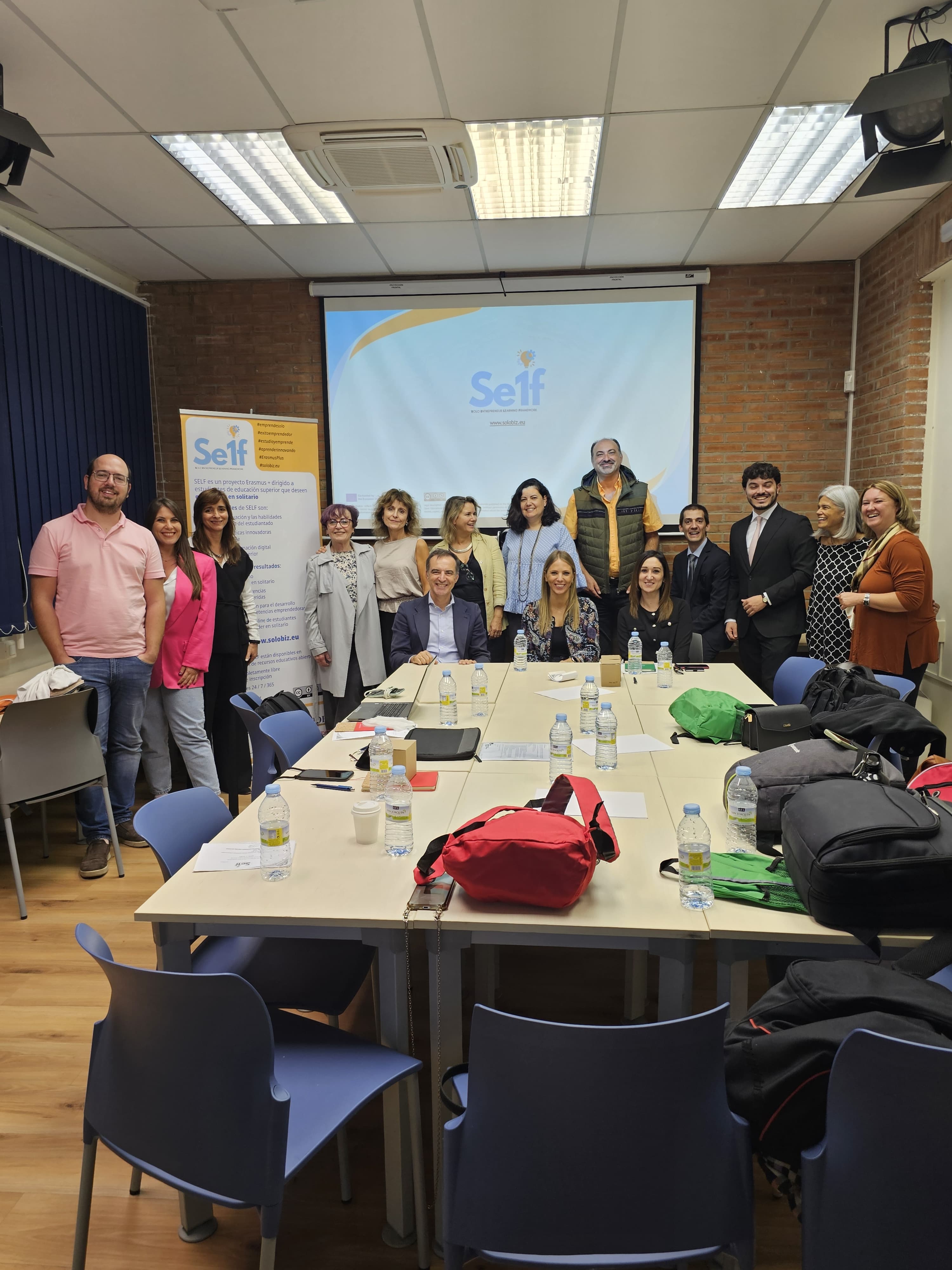
October 17, 2024, Málaga, Spain – The University of Málaga (UMA) hosted the second transnational meeting of the SELF project, an innovative EU-funded initiative focused on promoting self-employment and supporting solo entrepreneurs through targeted training tools and educational resources. The SELF project, coordinated by the UMA, involves institutions from five European countries. It aims to map solo entrepreneurship trends and develop a comprehensive training framework that supports sustainable growth in self-employment. This project stands out for its commitment to providing open educational resources (OER) and accessible digital training materials. Meeting Highlights During the meeting, project partners reviewed progress across work packages (WP) and outlined upcoming steps. Key points included: WP2: Mapping and Extrapolating Trends – EDUCatt, responsible for WP2, presented 19 case studies that will be sent to IWS for inclusion on the SELF open educational resource platform. WP3: Development of Training Content – The University of Aveiro is leading the implementation plan guiding the creation of training modules, designed as micro-credentials. These materials will be available in multiple languages and aligned with recognized competencies to facilitate self-paced learning. WP4: Digital Learning Platform – IWS shared the current status of the SELF learning platform, which will feature interactive modules, self-assessments, and competence certificates. Next Steps and Dissemination Activities All the partners are working to increase the visibility of the SELF project by posting on social media, sharing press releases, and linking to the project on their websites. Partners are also identifying Associate Partners to expand the project’s outreach across their respective countries. About the SELF Project The SELF project is funded by the European Union and is dedicated to creating self-employment opportunities through accessible, high-quality training tools. All materials developed under SELF are freely available under a Creative Commons license, encouraging adaptation and dissemination to support entrepreneurs everywhere. For more information on the project, please visit www.solobiz.eu.
Read More
A new international and pan-European research initiative has shed new light on the dynamics of self-employment and solo entrepreneurship among young people in Europe. Developed as part of the SELF (Solo-entrepreneurship in Post-pandemic Europe) project, this report highlights the significant gaps in current education and training opportunities for aspiring self-entrepreneurs and unveils a new innovative framework designed to address these challenges. The SELF project, which focuses on creating pathways for solo-entrepreneurship in the post-pandemic era, aims to address the evolving needs of higher education (HE) students and young graduates. The project is driven by three core objectives: Fostering entrepreneurial initiative; Enhancing self-employment pathways; Creating a unified digital market for solo-entrepreneurs. The SELF project report examined both the triumphs and challenges faced by young aspiring entrepreneurs across Europe. It found that despite growing interest in freelancing and self-employment, the resources available for formal education in this space remain scarce. Currently, most entrepreneurial training options are limited to paid online courses rather than being embedded in institutionalized education, leaving young people without sufficient support during their transition to early-stage entrepreneurship. However, the European Union is taking important steps to address these gaps. The EU has actively sought to democratize access to entrepreneurship education, providing a range of accessible resources to equip young self-entrepreneurs with essential skills and support. This effort aims to empower young innovators and enable them to bring their ideas to life in an increasingly competitive market. One of the most pressing findings from the SELF report is the significant downturn in self-employment across Europe. This decline is attributed to rapid technological change and the lingering effects of the COVID-19 pandemic, both of which have disrupted traditional self-employment pathways. Furthermore, the research highlights a persistent gender gap in the field, with fewer women taking the leap into self-entrepreneurship. Addressing this disparity is a priority, with targeted policies needed to foster inclusion and create equal opportunities for all. In response to these findings, the SELF project team has developed a new, innovative training and education framework tailored specifically to the needs of young, aspiring solo-entrepreneurs. This framework focuses on key areas of entrepreneurial development, including: Entrepreneurial competencies - Skills in leadership, innovation, and business planning to help aspiring entrepreneurs turn ideas into actionable business models. Digital literacy - critical training in technology and digital tools necessary for navigating today’s digital-first business environment. Financial management - comprehensive education on funding strategies, investment readiness, and sustainable financial planning. Socioeconomic inclusivity - Training that addresses gender gaps and promotes equitable access to entrepreneurial opportunities for all, with a particular focus on women entrepreneurs. This framework is designed to complement existing EU initiatives and support young people, particularly higher education students and recent graduates, by offering accessible, practical, and effective training. It aims to bridge the gap in entrepreneurship education by integrating tailored courses into the academic curriculum of European universities, fostering a more inclusive and dynamic entrepreneurial ecosystem across the region. Through the SELF project, we aim to ignite the entrepreneurial spirit of young people across Europe and help them navigate the challenges of self-employment, ensuring that they can thrive in the digital and post-pandemic world. For more information on the SELF project, research findings, or the new training framework, please visit: https://www.solobiz.eu/
Read More
The Erasmus+ project SELF – Solo Entrepreneurs Learning Framework, co-funded by the European Union, is pleased to announce the publication of its Transnational Summary Report, developed within Work Package 2 (WP2). The document consolidates the main findings emerging from the comparative needs analysis conducted across the European Union, Italy, Spain, Portugal, and Slovakia. The report represents a major milestone for the SELF project as it transforms transnational evidence and entrepreneurial trends into a concrete pedagogical framework designed to support Higher Education students and young aspiring solo entrepreneurs across Europe. Rather than functioning as a purely analytical report, the Transnational Summary serves as a strategic bridge between research and educational innovation. The document explores: emerging trends in solo entrepreneurship; barriers affecting aspiring self-employed professionals; educational and competence gaps; labour market transformations; and the opportunities connected to entrepreneurial learning and self-employment pathways. The comparative analysis highlights a growing European interest in solo entrepreneurship, particularly among younger generations seeking: flexibility; autonomy; digital working opportunities; and alternative career pathways beyond traditional employment models. At the same time, the report identifies several persistent challenges affecting the development of entrepreneurial pathways across Europe, including: fragmented entrepreneurial education systems; limited practical learning opportunities; gender inequalities; administrative and institutional barriers; rural–urban divides; and insufficient integration of entrepreneurial competences within Higher Education curricula. One of the central messages emerging from the analysis is the mismatch between entrepreneurial aspirations and educational realities. While many young people express growing interest in self-employment and freelancing, they often feel unprepared to navigate the practical, financial, strategic, and emotional dimensions of solo entrepreneurship. The report also underlines the importance of moving beyond theoretical approaches to entrepreneurial education by promoting: experiential learning; competence-based methodologies; practical entrepreneurial exposure; digital readiness; and learner-centred pedagogies. A key added value of the Transnational Summary is its direct connection to the development of the SELF curriculum. The report explains how the findings collected across participating countries were translated into a structured educational framework aligned with the EntreComp competence model developed by the European Commission. The resulting curriculum includes seven dedicated training modules covering areas such as: self-employment awareness; self-branding and market positioning; financial literacy; client acquisition and retention; productivity and time management; digital entrepreneurship; and sustainable business growth. Through this competence-based approach, the SELF project aims to strengthen not only entrepreneurial knowledge, but also the mindset, confidence, adaptability, and resilience required to pursue solo entrepreneurship in contemporary labour markets. The consortium believes that solo entrepreneurship should be recognised not as a secondary or fallback option, but as a viable, valuable, and increasingly relevant professional pathway within Europe’s evolving economic landscape. In line with the project’s commitment to accessibility and Open Educational Resources (OER), the Transnational Summary Report is available: free of charge; in open-access format; and through the official SELF platform. The report is intended to support: Higher Education institutions; educators and trainers; policy makers; entrepreneurship support organisations; and all stakeholders interested in strengthening entrepreneurial learning and self-employment opportunities across Europe. The Transnational Summary Report is available through the official project platform: https://www.solobiz.eu/mapping.php?lang=EN The SELF project is co-funded by the Erasmus+ Programme of the European Union.
Read More
The Erasmus+ project SELF – Solo Entrepreneurs Learning Framework, co-funded by the European Union, has published the results of its Pan-European assessment developed within Work Package 2 (WP2), providing important insights into the current realities, challenges, and opportunities connected to solo entrepreneurship and self-employment across Europe. The assessment represents one of the key analytical outputs of the SELF project and explores how entrepreneurial education, labour market transformation, digitalisation, and emerging professional models are reshaping self-employment pathways among young people and Higher Education students. Developed through collaborative research activities carried out by the international SELF consortium, the assessment examines: evolving trends in freelancing and solo entrepreneurship; barriers affecting young aspiring self-entrepreneurs; educational and competence gaps; digital labour market transformations; and current European approaches supporting entrepreneurial initiative and self-employment. The findings reveal that, despite the growing popularity of freelancing and independent professional pathways, structured and institutionalised entrepreneurial education opportunities for solo entrepreneurs remain limited across many European contexts. In many cases, entrepreneurial learning opportunities are still primarily offered through: fragmented online courses; private training initiatives; or non-formal learning environments which may not always provide adequate long-term support for young people transitioning towards self-employment and entrepreneurial activity. At the same time, the assessment highlights the increasingly important role played by the European Union in supporting entrepreneurship education and employability innovation through: accessible educational resources; youth empowerment initiatives; digital skills development; and entrepreneurial competence frameworks. Another key finding emerging from the assessment concerns the evolving nature of self-employment itself. The report underlines how: rapid technological transformation; platform economies; digitalisation; and the long-term effects of the COVID-19 pandemic have significantly reshaped entrepreneurial ecosystems and independent professional pathways across Europe. The assessment also identifies persistent inclusion challenges, particularly regarding gender disparities in solo entrepreneurship and unequal access to entrepreneurial opportunities among different social groups. These findings reinforce the importance of developing: more inclusive entrepreneurial education systems; accessible training opportunities; flexible learning pathways; and stronger institutional support mechanisms for aspiring solo entrepreneurs. The SELF consortium believes that Higher Education institutions can play a much stronger role in preparing students for contemporary labour market realities by integrating entrepreneurial competences, self-employment awareness, and future-oriented employability skills into educational environments. The evidence collected through this Pan-European assessment has directly informed the development of the SELF educational framework, training modules, case studies, and operational resources aimed at supporting future solo entrepreneurs across Europe. In line with the dissemination and accessibility principles promoted throughout the project, the assessment and related outputs are available: in open-access format; free of charge; and through the official SELF online platform. The SELF project aims to contribute to the creation of a more inclusive, accessible, and innovation-oriented entrepreneurial ecosystem capable of empowering young people to navigate increasingly flexible and dynamic professional futures. The Pan-European assessment is available through the official project platform: https://www.solobiz.eu/mapping.php?lang=EN The SELF project is co-funded by the Erasmus+ Programme of the European Union.
Read More
The "SELF - Solo Entrepreneurs Learning Framework," co-funded by the Erasmus+ Programme of the European Commission, has unveiled the results of its comprehensive Pan-European assessment carried out as part of Work Package 2 (WP2). This assessment provides an in-depth look at the current landscape of self-employment and self-entrepreneurship, focusing on the dynamics of education and training opportunities across Europe. The SELF project aims to enhance the entrepreneurial skills of higher education (HE) students by promoting solo-entrepreneurship and creating a unified digital market for solo-entrepreneurs. Coordinated by the University of Malaga, the project includes partners such as the University of Aveiro, EDUCATT, IHF asbl, IDP, IWS, and UNIBA. The assessment highlights several crucial findings: Limited institutionalized education for self-entrepreneurs Despite a growing interest in freelancing and solo entrepreneurship, institutionalized education and training options remain scarce. Most available resources are paid online courses, which often lack the necessary support mechanisms to help young aspiring self-entrepreneurs transition into early-incubation stages. EU's role in democratizing access to entrepreneurship education Amidst these challenges, the European Union is making significant strides in democratising access to entrepreneurship education. Various accessible resources are being developed to empower aspiring self-entrepreneurs with essential knowledge and skills, providing the support needed to transform their ideas into action. Decline in self-employment due to technological and pandemic-related disruptions The assessment reveals a notable downturn in the trajectory of self-employment in Europe. This decline is attributed to the rapid evolution of technology and the disruptive effects of the COVID-19 pandemic, which have posed significant challenges for self-entrepreneurs across various sectors. Gender disparity in self-entrepreneurship A persistent gender disparity in self-entrepreneurship is evident, with a concerning prevalence of “missing” women self-entrepreneurs. The report underscores the need for targeted policies to foster inclusion and equal opportunities, aiming to narrow the gender gap and unlock the full potential of aspiring female entrepreneurs. EU's multifaceted approach to supporting self-entrepreneurs The EU is actively championing initiatives to support the self-employed and self-entrepreneurs holistically, particularly focusing on young people, HE students, and fresh graduates. These initiatives range from providing vital financial assistance to implementing measures that address socioeconomic disparities and enhance essential skills and competencies. There is a collective expectation for EU institutions to advocate for integrating courses tailored to the needs of young aspiring self-entrepreneurs within the academic curricula of European universities. The SELF project is indeed expected to lay the groundwork for a more inclusive and dynamic entrepreneurial ecosystem. Stay tuned for future results and more information on the project’s website https://solobiz.eu/index.php?lang=EN
Read More
The Erasmus+ project SELF – Solo Entrepreneurs Learning Framework, co-funded by the European Union, is pleased to announce the launch of Work Package 2 (WP2), dedicated to the mapping and analysis of emerging trends, challenges, and opportunities related to solo entrepreneurship and self-employment across Europe. WP2 represents one of the foundational phases of the SELF project and aims to provide the analytical and pedagogical basis for the future development of the project’s educational resources, training framework, and entrepreneurial learning tools. Through this work package, the international SELF consortium will carry out a comprehensive assessment focused on: solo-entrepreneurship trends; self-employment dynamics; entrepreneurial competences; existing educational opportunities; and innovative practices supporting young aspiring entrepreneurs and Higher Education students. Particular attention will be given to the collection and analysis of: case studies; good practices; labour market trends; educational gaps; and emerging competences connected to independent professional pathways and digital entrepreneurship. The objective of this analytical phase is not only to better understand the current European entrepreneurial landscape, but also to identify practical insights capable of supporting the creation of more accessible, relevant, and future-oriented entrepreneurial learning opportunities. To ensure consistency and comparability of results, project partners have collaboratively developed a common assessment methodology that will guide the implementation of research and mapping activities at both national and transnational level. This shared methodological framework contributes to: harmonising data collection processes; facilitating cross-country comparison of findings; identifying common European trends; and strengthening the overall quality and reliability of the assessment process. The findings generated through WP2 will directly support the next stages of the project, particularly the development of the SELF training framework and multilingual educational resources that will later be made available through the project platform. The consortium expects that this analytical work will contribute to a deeper understanding of: the evolving realities of self-employment in Europe; the educational needs of aspiring solo entrepreneurs; and the role that Higher Education institutions can play in fostering entrepreneurial initiative and future employability pathways. In line with the dissemination and accessibility principles promoted throughout the project, the results and outputs generated within WP2 will progressively be made available: in open-access format; free of charge; and through accessible digital dissemination channels. The SELF project is co-funded by the Erasmus+ Programme of the European Union. For more information about the project and its activities, please visit: https://www.solobiz.eu/
Read More
Partners of the Erasmus+ project "SELF - Solo Entrepreneurs Learning Framework" is pleased to announce the launch of Work Package 2 (WP2), titled "Mapping and Extrapolating Solo-Entrepreneurship Trends & Features." With the launch of WP2, the SELF project, co-funded by the European Commission, takes a significant step towards creating a comprehensive learning framework that fosters HE students' entrepreneurial skills and promotes solo-entrepreneurship. WP2 focuses on assessing and evaluating consolidated good practices and case studies at both country and transnational levels. These evaluations will guide the promotion of innovative and impactful solo-entrepreneurship training programmes within HE institutions and among HE students. The insights gained will enable project partners to strategize effectively, shaping the learning outcomes framework and informing the development of the project's training curriculum. The methodology for WP2 has been meticulously prepared and consolidated, ensuring efficiency and effectiveness in the execution of the analysis. This operative document, which remains internal and in English only, serves as a formal deliverable of WP2. It provides a harmonized understanding of the assessment's ultimate objectives, ensuring the relevance of results, data, and insights provided by partners. By adopting a common methodology, the SELF project guarantees a coordinated approach among partners. This methodology facilitates a shared understanding of the analysis's scope, ensures the comparability of findings, and highlights key expected results. It also valorises common trends and features of interest, which are crucial for the summative assessment of evidence. The findings from WP2 will be instrumental in setting and building the pedagogical base of reference for the project. This will enable the structuring of the education and training offerings accordingly. Evidence gathered and collected by partners will shape the content and structure of the curriculum, identifying specific training areas and competences that should be addressed and enhanced through the project's educational offerings. The partnership looks forward to the valuable insights that will emerge from this phase and to the continued progress of the project. For more information about the SELF project, please visit https://solobiz.eu/index.php?lang=EN
Read More
The SELF project (Solo Entrepreneur Learning Framework) has now opened its open access platform (OER), available in all consortium languages: English, Spanish, Italian, Portuguese and Slovak. The full news can be read on the blog of the Research Unit Research Center for Didactics and Technology in Trainer Training (CIDTFF), available at https://cidtff.web.ua.pt/cidtff_flashnews/?wysija-page=1&controller=email&action=view&email_id=2068&wysijap=subscriptions
Read More
The Self OER platform, created by Internet Web Solutions, the project's technology partner, is now open and available in all languages and it will host the main results of the project. It will be available for the duration of the project and even 3 years after its completion. The platform encompasses all the information about the project, the consortium partners, the associated partners who support us, and the main results to be created during the development of Self, such as mapping and training. The OER platform has several advantages: it is free and open, allowing users to access it without the need to register; it is user-friendly, available 365 days a year, 24 hours a day, in the five consortium languages (English, Spanish, Italian, Portuguese, and Slovak); and it is professional, as the content is created by experts. Self is a European project co-funded by the Erasmus Plus program, involving seven institutions from five countries, each with a different language. The consortium includes the University of Málaga (ES), IDP European Consultants (IT), IHF Europe (BE), Internet Web Solutions (ES), Comenius University Bratislava (SK), University of Aveiro (PT), and EDUCatt (IT). The SELF project – Solo Entrepreneur Learning Framework – emphasizes the importance of supporting the entrepreneurial skills of university students through the innovative concept of "solopreneurship." To achieve this goal, the consortium will develop specific outcomes, including the creation of the project's OER platform, which is already available in the consortium's languages. Stay informed about Self and the project's developments visiting www.solobiz.eu.
Read More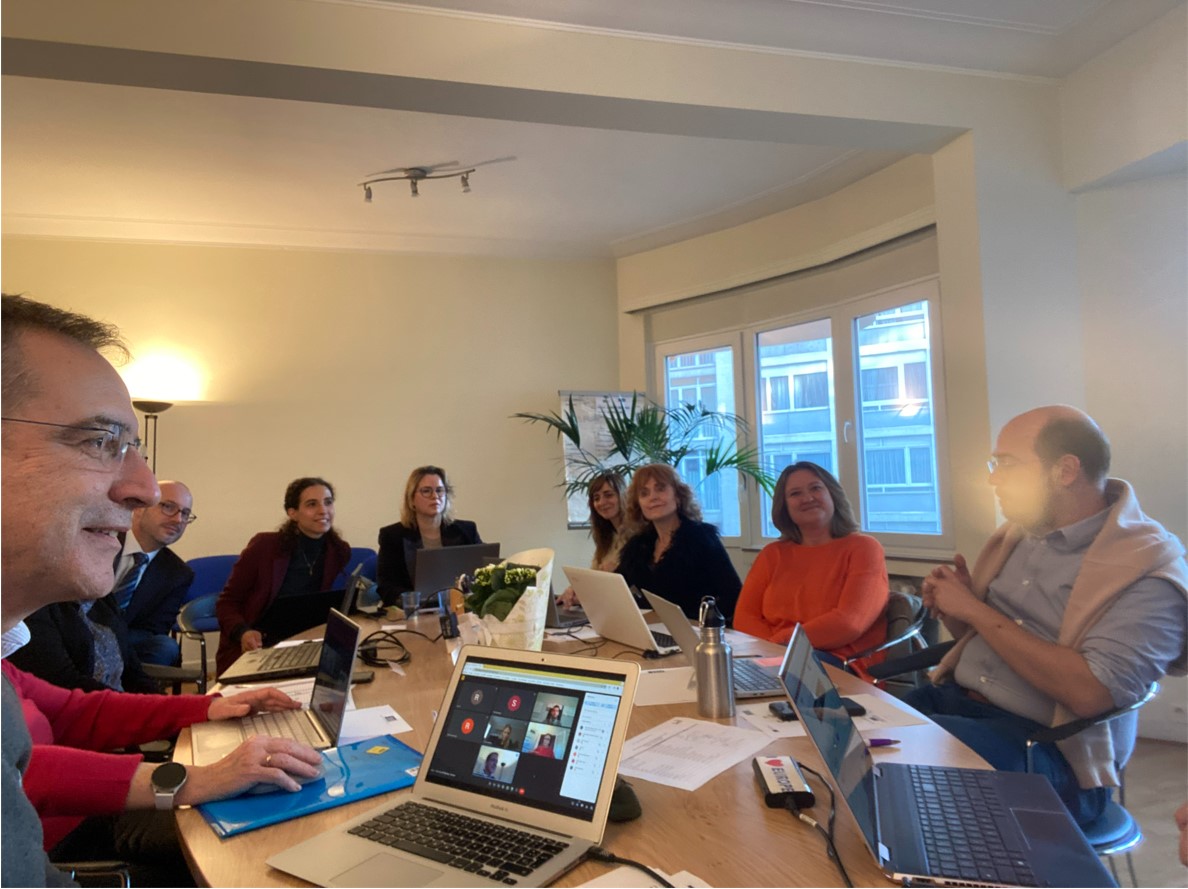
The Kick-of-meeting of the Erasmus+ SELF – Solo Entrepreneur Learning Framework project was held in Brussels. The University of Aveiro is a partner institution of the project. The full news can be read on the blog of the Research Unit Research Center for Didactics and Technology in Trainer Training (CIDTFF), available at https://cidtff.web.ua.pt/cidtff_flashnews/?wysija-page=1&controller=email&action=view&email_id=2008&wysijap=subscriptions
Read More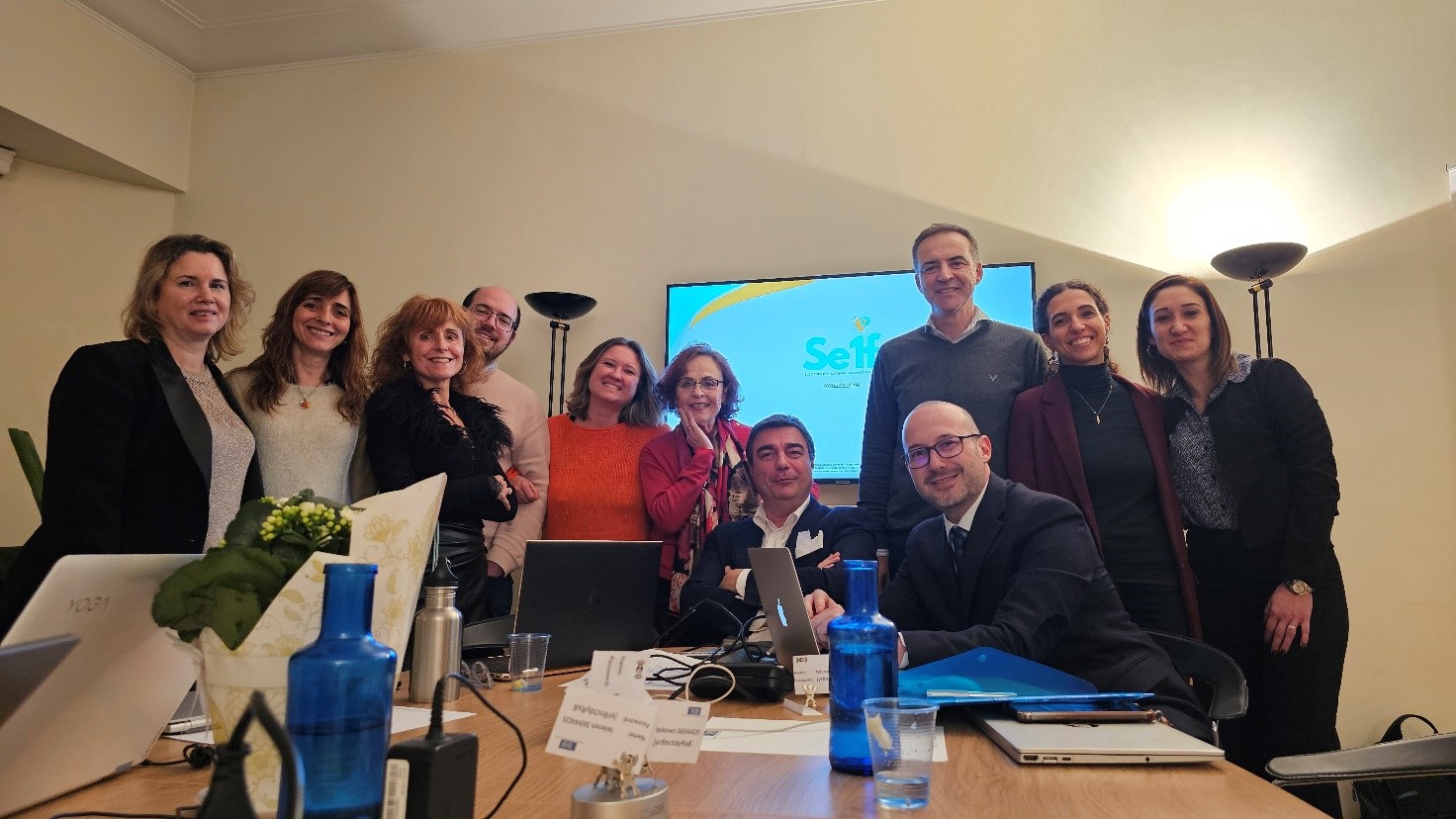
Partners of the Erasmus+ project "SELF - Solo Entrepreneurs Learning Framework" held the Kick-Off Meeting at the premises of the Belgian partner, IHF asbl, in Brussels on January 26, 2024. The SELF project, co-funded by the European Commission, aims to provide a robust learning framework to enhance HE students' sense of initiative and solo-entrepreneurship skills. By using transdisciplinary approaches and innovative pedagogies, the project seeks to foster a new generation of self-employed professionals ready to thrive in a digitally unified European labor market. During the meeting, the partnership—led by the University of Malaga and including the University of Aveiro, EDUCATT, IHF asbl, IDP, IWS, and UNIBA—engaged in comprehensive discussions on project objectives and strategic implementation. The diverse expertise and perspectives of these partners strengthen the project’s capacity to achieve its goals. This gathering marked a significant milestone as partners from across Europe convened to discuss the project’s work breakdown structure, plan upcoming activities, and set deadlines. The meeting also underscored the project's potential positive impact on entrepreneurship among higher education (HE) students throughout the European Union. Implementation strategies include identifying relevant competences for aspiring solo-entrepreneurs, developing specialized curricula, tools, training, and resources for self-employment. A pivotal component is the "SELF Digital Warehouse," an e-learning platform housing all project results. The project also involves testing and validating these resources with 200 participants, producing guidelines for practitioners, and providing recommendations for policymakers to ensure project scale-up and sustainability. The Brussels meeting highlighted the SELF project's potential to significantly impact HE students by equipping them with entrepreneurial skills and fostering a supportive digital environment. The consortium remains optimistic about the progress made and is committed to ongoing collaboration and successful project implementation. For more information about the SELF project, please visit https://solobiz.eu/index.php?lang=EN
Read More
Thus, the collaboration of 7 institutions from Spain, Italy, Belgium, Portugal and Slovakia has started. During the meeting, the partners made important decisions for the development of the project, including the domain, logo and look of the SELF OER platform. Stay tuned for upcoming publications on SELF to learn more about its progress and developments!
Read More
The Erasmus+ project SELF – Solo Entrepreneur Learning Framework, led by the University of Málaga (Spain), and which counts the University of Aveiro among the partner institutions, was approved. The full news can be read on the blog of the Research Unit Research Center for Didactics and Technology in Trainer Training (CIDTFF), available at https://cidtff.web.ua.pt/cidtff_flashnews/?wysija-page=1&controller=email&action=view&email_id=1972&wysijap=subscriptions
Read More
